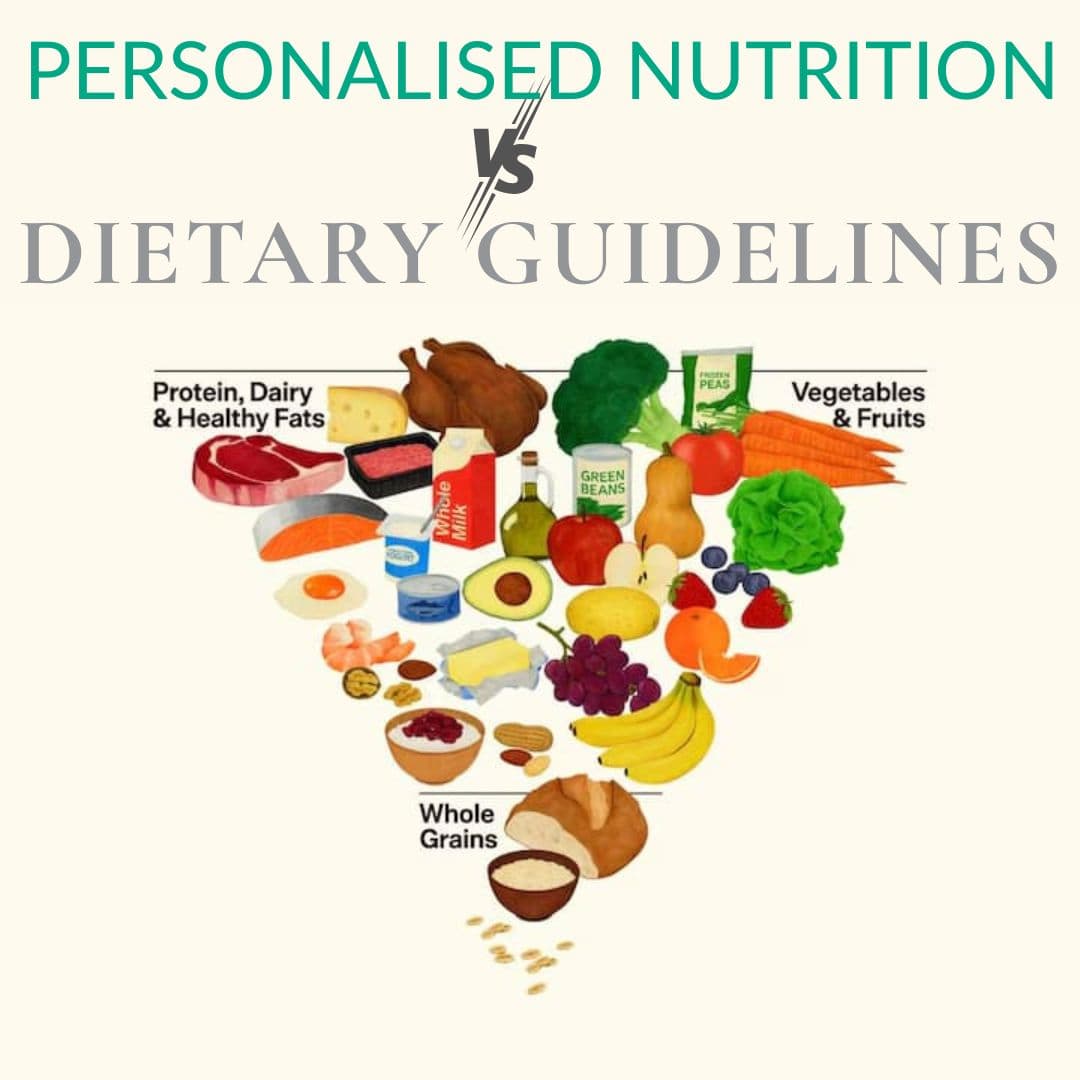
Why Dietary Guidelines Don't Work for Everyone
The release of the new US dietary guidelines has sparked a lot of conversation.
Some voices strongly support the shift. Others are highly critical. And if you spend any time online, you’ll quickly see just how polarised the discussion has become.
That reaction alone tells us something important. Much of the debate reflects a deeper tension between personalised nutrition vs dietary guidelines — because nutrition guidance doesn’t exist in a vacuum. It’s interpreted through personal experience, health history, beliefs, access to food, and trust (or lack of it) in public institutions.
So before getting into the details, it’s worth saying this clearly:
Dietary guidelines are exactly that — guidelines.
They are not rules, prescriptions, or guarantees of health.
And that distinction matters – and also why dietary guidelines don’t work for everyone.
Dietary Guidelines are just guidelines
They are not rules, prescriptions, or guarantees of health
A Step In The Right Direction
Overall, I welcome the direction these guidelines are taking.
There is a clear move away from ultra-processed foods and excess sugar, and a stronger emphasis on:
-
Adequate protein intake
-
Real, whole foods
-
Healthy fats
-
Vegetables, fruits, nuts and seeds
This represents a meaningful shift compared to much of the public health advice many of us grew up with — advice that prioritised low-fat eating, underestimated the importance of protein, and failed to account for the metabolic and inflammatory consequences we’re now seeing on a population level.
Seeing a major institution adjust its stance is a positive sign. Change at this level is slow, and progress matters.
Where Nuance Is Still Needed
That doesn’t mean the guidelines are perfect.
Concerns have been raised about conflicts of interest — particularly around the emphasis on meat and dairy — and these are valid conversations to have. At the same time, plant-derived protein sources deserve clearer recognition as part of a balanced, whole-food diet for those who include them.
But rather than viewing this as a “for or against” debate, I think it highlights a deeper issue:
No Guideline Can Capture Individual Context
And that’s where things often go wrong.
Guidelines Don't Always Work in Practice
When I’m healthy, my own approach to food is rooted in balance.
I prioritise:
-
Protein and healthy fats (from both animal and plant sources)
-
A wide variety of vegetables and fibre to support the microbiome
-
Whole, minimally processed foods
-
Awareness around carbohydrates, particularly starchy ones
This way of eating supports my energy, digestion, and long-term health — when my body is able to receive it.
But health isn’t static.
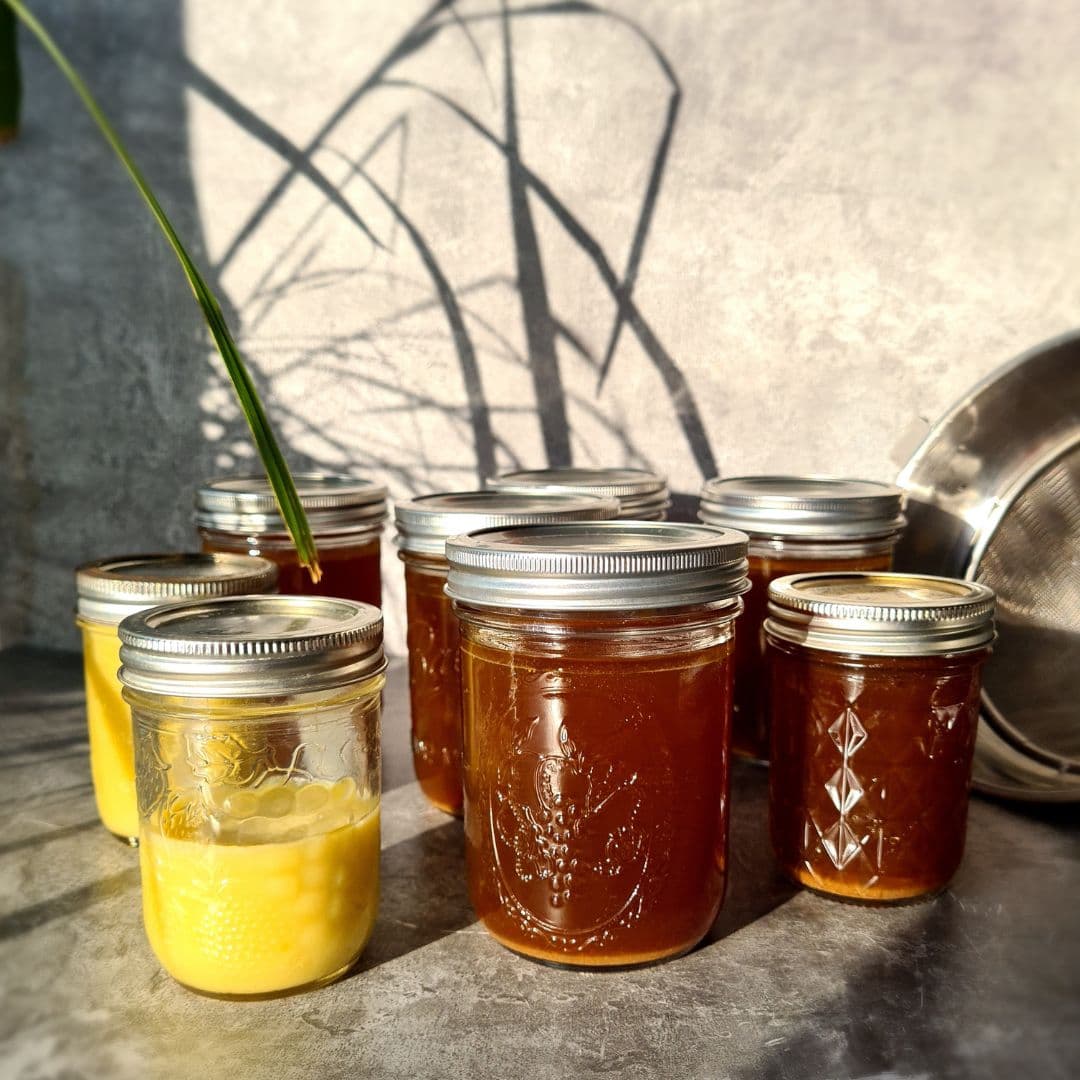
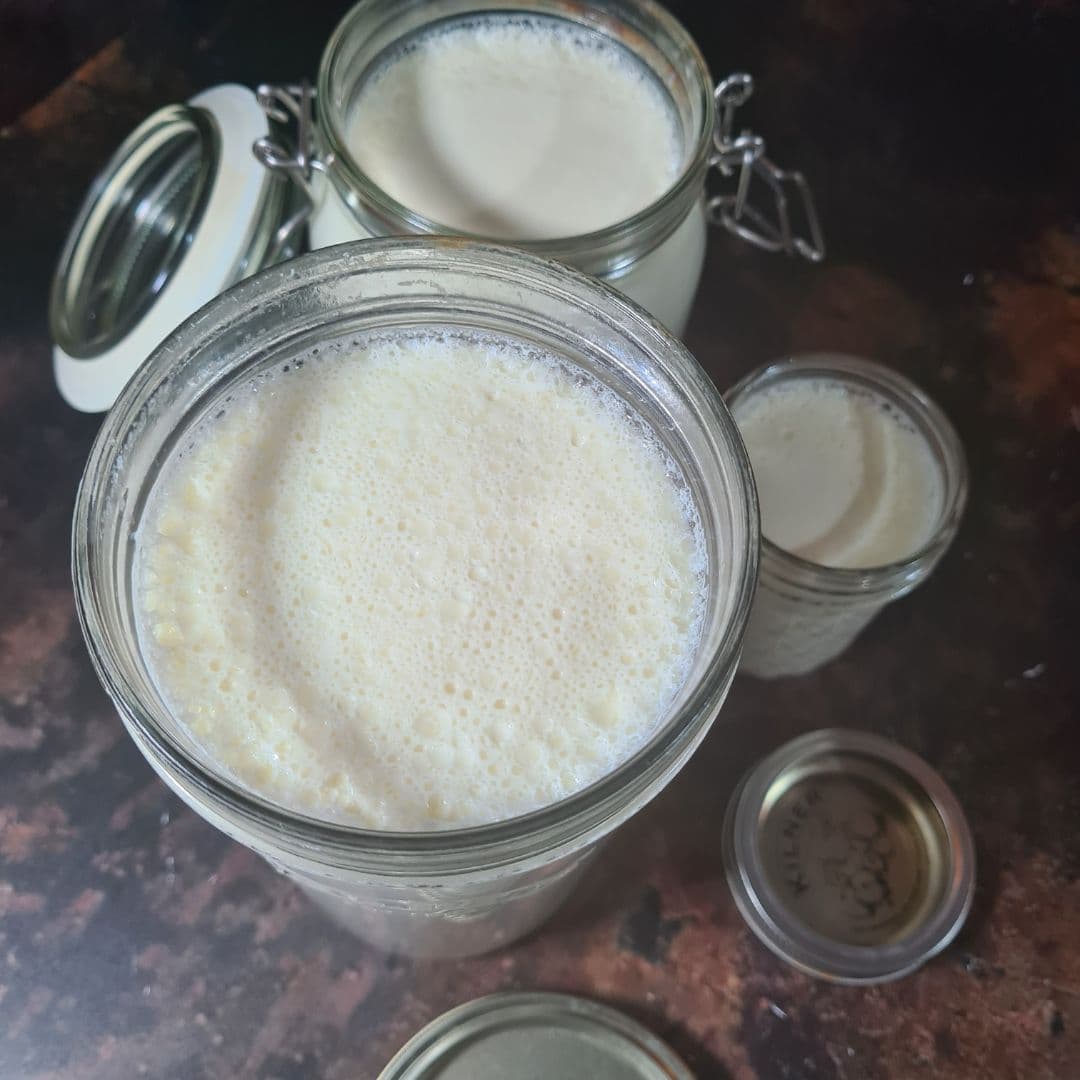
Living with Crohn’s disease means there are times when fibre and carbohydrates become difficult to tolerate. During flares, my diet has to flex toward gentler, more supportive foods in that moment — including bone broth, meat, and 24-hour yoghurt — because that’s what allows me to function.
Alongside this, pancreatic enzyme insufficiency means very high-fat meals can trigger severe pain and digestive distress, with a real impact on my ability to live freely. So even foods that are widely considered “healthy” have to be approached with care.
None of this contradicts the principles of the guidelines.
It simply reinforces an essential truth:
The best diet is the one that supports your body in its current state — not the one that looks best on paper.
But Health Isn’t Static
The best diet is the one that supports your body in its current state — not the one that looks best on paper.
Why Guidelines Alone Aren't Enough
This is Where Much of the Criticism — and Confusion — Around Dietary Advice Comes From.
Publishing guidelines is only the first step.
If we genuinely want to improve long-term health, we also need to ask:
-
How do people apply this guidance when time, energy, and budgets are stretched?
-
How do we support shifts away from convenience foods when they feel cheaper and easier?
-
How do we help people care about future health in a way that feels relevant now?
And once someone is aligned with a healthier way of eating,
how do we help them adapt it across:
-
Different life stages
-
Periods of illness or stress
-
Hormonal changes
-
Digestive capacity
Without flexibility, even good advice can become harmful.
From Guidance to Lived Health
So yes — I see this update to the dietary guidelines as a positive step forward.
It reflects a move away from outdated thinking and toward a more protein-focused, whole-food-centred approach. But it also highlights why personalised nutrition is not a luxury — it’s a necessity.
Guidelines can point us in the right direction.
Real health comes from learning how your body responds, knowing when to adjust, and having the tools to do so without fear or rigidity.
That’s where sustainable change happens — not in perfect adherence, but in informed flexibility.
Dietary Guidelines Don’t Work For Everyone, Which Is Why Personalised Nutrition Matters.
Making Sense of What Applies to You
If you’re feeling stuck between general advice and what your body is actually telling you, this is exactly the kind of thing I explore in a Gut Conversation — a space to look at your history, digestion, lifestyle and current needs, and make sense of it all without rigid rules.
Your Gut Health Guide
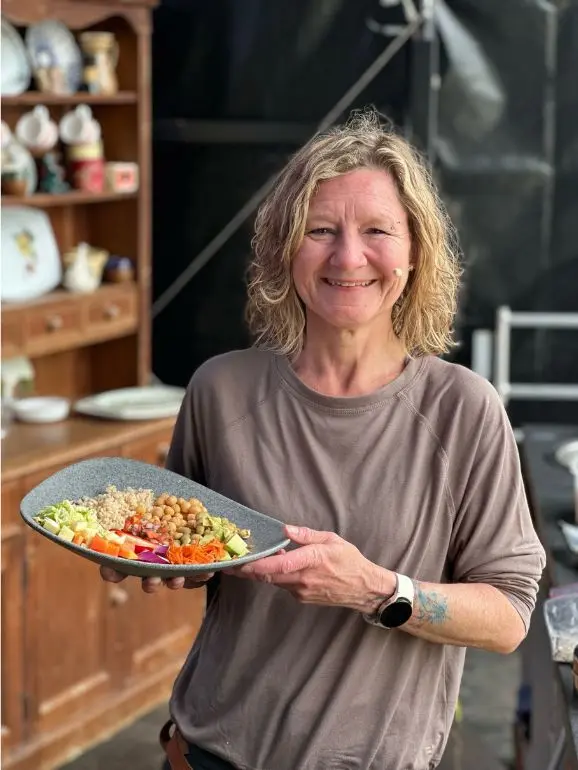
Nikkie Windsor UKIHCA-RHC
Integrated Nutritionist & Breath Coach
Jungle-Trained. Science-Informed.
I help people in their 50s move from gut chaos, low energy, and overwhelm to feeling calm, strong, and confident in their bodies again.
Nikkie Windsor UKIHCA-RHC
Nutritionist, Health Coach & Breathwork Facilitator
Jungle-Trained. Science-Informed.
I help people in their 50s move from gut chaos, low energy, and overwhelm to feeling calm, strong, and confident in their bodies again.
Are You Ready to Change Your Gut Story?
You don’t have to manage this alone. Take the first step to feeling better today.